Mar
19
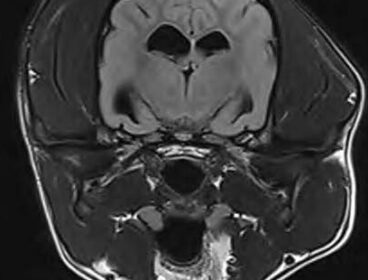
Understanding MRI: A Guide for Pet Parents
MRI of a dog's brain Learn More

MRI of a dog's brain Learn More
During winter, snow and ice melting products (“snow melt” or “ice melt”) are commonly used on sidewalks, driveways, and roads. While helpful for people, many of these products can be dangerous to pets. Why Snow Melt Is a Problem Snow melt products often contain chemicals such as: salt (sodium chloride), calcium chloride, magnesium chloride, potassium... Learn More

As winter brings a chilly embrace, it’s crucial to be proactive in ensuring the well-being of our four-legged friends. The frosty season brings not only joy, but also potential hazards for dogs and cats. Here are some winter safety tips to keep your pets healthy and happy. Beware of Common Toxins: One of the most... Learn More

The winter months and the New Year bring joy, but they also present unique hazards for our beloved pets. Here are some helpful tips to consider for the season ❄️ Winter Weather Safety Tips for Dogs & Cats ❄️ * Protect from the Cold: * Indoor Warmth: 🎄 Holiday Season Safety Tips for Dogs & Cats 🎄 Decorations: Toxic Plants: ... Learn More
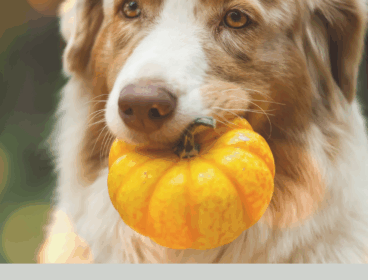
Thanksgiving is a time for gratitude, family, and of course, delicious food! As you prepare to gather around the table and celebrate, it’s important to remember that the holiday hustle and bustle can be stressful—and even hazardous—for our furry family members. From tempting table scraps to a house full of guests, here’s how to keep... Learn More
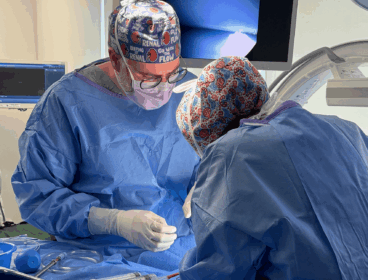
To view their article and training video visit the AVMA publication here. Learn More
Cancer rarely has a single cause. Instead, it typically develops due to a complex mix of genetic predisposition, environmental influences, immune system dysfunction, and plain chance. Because of this multifactorial nature, we can’t completely prevent cancer—but there are several practical steps pet owners can take to reduce the risk. Spaying and Neutering Spaying and neutering... Learn More
Caring for your pet means managing their health—and their expenses. Regular health checkups and good prevention are key to a long, happy life for your furry friend. Preventive healthcare helps catch health issues early and keeps costs down. At Friendship Hospital for Animals, we offer top-notch wellness plans designed to protect your pet’s health and... Learn More
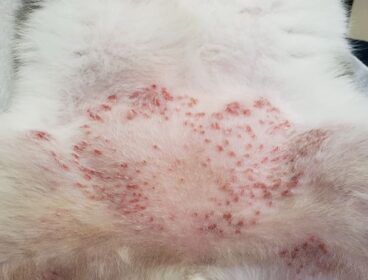
Overgrooming cats are frequently thought to be bored, anxious, or stressed. The truth is, psychogenic or situational itch is extremely rare in cats, and can only be diagnosed by ruling out the far more common cause of itch: allergic skin disease. Even moreso than dogs, cats can be sneaky about their allergies and their lesions... Learn More
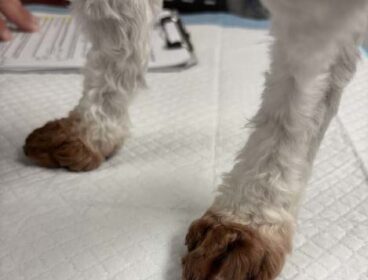
In people, itchiness is a symptom that we can easily identify and express. In dogs, the most common cause of itchiness is allergic skin disease; dogs however express their itchiness in behaviors unique to ours, which can make correctly identifying (and addressing) this behavior a challenge. Other than the obvious scratching behavior we know too... Learn More

The most common cause of excessive licking, biting, scratching, and chewing of the skin in dogs and cats is allergic skin disease. These diseases are not curable, but can be successfully managed and abated with targeted and diligent therapies. Intense, rapid-onset itch, as well as the formation of skin lesions in the absence of significant... Learn More
At this time of year we are all enjoying spring and looking forward to the summer. But with leafy trees, colorful flowers, and plants blooming, we are also very aware of the pollens! Many humans suffer from allergic disease and many pet owners can see their dogs and cats suffering as well. Cats and dogs... Learn More
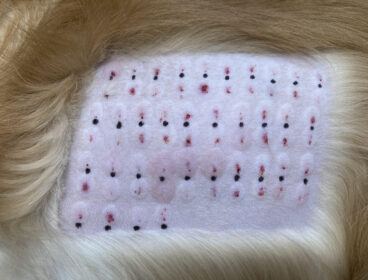
Environmental allergies are a life-long problem for so many pets. What is especially hard is that we cannot easily remove environmental allergens. Most dogs and cats are NOT allergic to cleaning products, laundry detergents, or litter. Although many dog and cat parents would be willing to do anything for their pets, cleaning or filtering simply... Learn More

As a devoted pet owner, ensuring the best health for your furry friend is always a top priority. One area that has gained significant attention in recent years is veterinary laparoscopic surgery. This minimally invasive technique is being increasingly used for procedures such as spaying, neutering for cryptorchid testicles, and gastropexy in cats and dogs.... Learn More
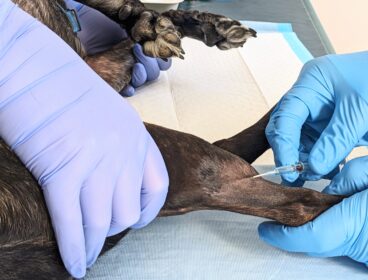
Finding out your pet has cancer can be a frightening and stressful experience for many reasons. One common source of anxiety is the idea that your pet may require chemotherapy treatment, which can be an intimidating prospect. The word “chemotherapy” often conjures images of severe side effects that nobody wants their pet to experience: things... Learn More
The General Surgery department at Friendship Hospital for Animals offers a wide range of surgical procedures, both on an elective and emergency basis Monday through Friday. Ovariectomy is the surgical removal of the ovaries in females and orchiectomy is the surgical removal of the testes in males, these procedures are commonly called referred to as... Learn More
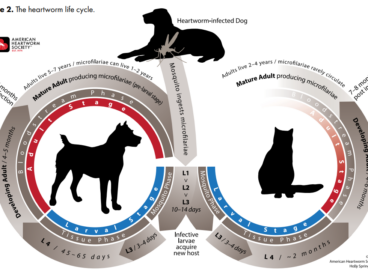
Heartworm disease, caused by the parasite Dirofilaria immitus, is an all-too common and potentially devastating disease of dogs and cats. It is estimated that approximately ONE MILLION dogs and cats in the US are infected with this parasite, and many may not have symptoms of the disease until the damage has been done. This parasite... Learn More
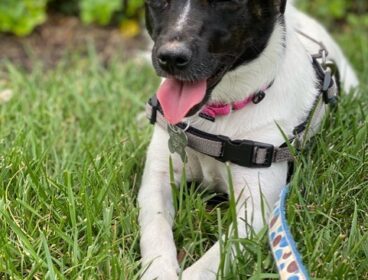
Meet Luna: A young Rat Terrier who presented to Friendship Hospital for Animals for evaluation of urinary issues with the Internal Medicine service. While being evaluated by Dr. Stephanie Skinner, a loud heart murmur was heard and Luna was referred to see one of our Board-Certified Veterinary Cardiologist, Dr. Chris McLaughlin. Dr. McLaughlin performed a... Learn More

Thanksgiving is upon us, and while you’re preparing a delicious feast for your loved ones, don’t forget to include your pets in the celebration. In this blog post, we’ll guide you through some safe Thanksgiving foods that your four-legged friend can enjoy without any worries. 1. Turkey Treats: It’s important to note that plain, cooked... Learn More
Cancer Prevention in Pets Cancer doesn’t have just one cause, and the development of cancer typically stems from a complex interplay of genetic factors, environmental factors, and chance. This multifactorial nature means that while we do not know how to prevent cancer, there are certain easy steps we can take to reduce cancer risks in... Learn More
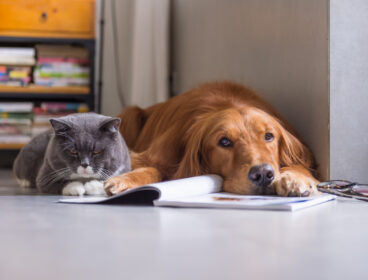
Back-to-school season brings about significant changes in household dynamics, which can often affect our beloved pets. As families return to their regular schedules, our furry companions may experience separation anxiety, stress, or boredom. However, with a few simple strategies and some extra care, we can help our pets navigate this transitional period smoothly. In this... Learn More

During the height of summer, weather conditions can become more than miserable for your furry pal—they can be downright dangerous. Protect your pet from the threat of heatstroke with the following tips. #1: Monitor the weather By keeping a close eye on the temperature and humidity, you can time your pet’s outdoor excursions to the... Learn More

While not many pet owners may realize it, the good news is that are a range of treatment options available for our veterinary cancer patients. Friendship has many years of experience helping thousands of pets fight cancer, with the goal of either improving an animal’s quality of life, or in the best case, achieving a... Learn More
What is cancer? Cancer is a collection of related diseases. It can start anywhere in the body. Cancer cells divide without stopping and may invade into surrounding tissues. Normal cells typically form and divide when they’re needed by the body, then die when they’re damaged or old. Cancer cells disobey the rules: abnormal, damaged, and... Learn More
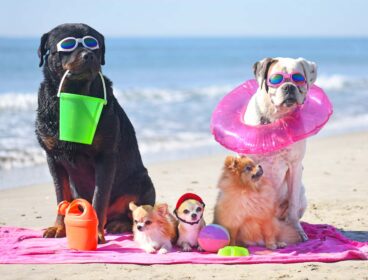
As summer temperatures heat up, you and your furry pal likely want to cool off with a swim. Although it’s in their name, not all dogs–or pets–know how to “doggy paddle,” so take proper precautions when you swim with your four-legged friend. Here are five tips to help your pet stay safe while swimming. #1:... Learn More
As cold winter weather slowly slips away and warm spring temperatures arrive, sluggish parasites wake up. This makes April the perfect time for Prevention of Lyme Disease in Dogs Month. Take action to reduce your pet’s likelihood of giving ticks a ride—or a meal—and learn how to spot common Lyme disease signs to ensure your... Learn More
Celebrate Take a Walk in the Park Day with your four-legged friend on March 30, but don’t let hazards ruin a perfect day. Keep your eyes peeled for the following issues when walking your pet. #1: Other dogs Running across another dog could spell disaster, especially if either dog is reactive and manages to slip... Learn More
In honor of National Animal Poison Prevention Week, which takes place March 19 to 25, our team wants to share some of the most common household products that are toxic to pets. #1: Medications One of the most common household hazards that pets ingest are medications—from an entire pack of beef-flavored heartworm preventives to their... Learn More
It has recently come to our attention that one of the major manufacturers and distributors of prescription pet food has issued a voluntary recall for potential excessive levels of Vitamin D. Nestlé Purina is voluntarily recalling select lots of Purina Pro Plan Veterinary Diet Elemental EL dry (both 8-pound and 20-pound bags). Please see the... Learn More
Summertime comes with a host of hazards for pets, but colder weather also brings its own dangers. As the temperature drops, watch out for the following issues that can require emergency care for your furry pal. Antifreeze toxicity in pets Antifreeze is used to keep your car’s engine functioning in the winter, but it can... Learn More
Friendship provides state of the art, comprehensive services for our clients and patients. But, more than that, we provide a caring team who understand the unique human-animal bond. View Our Services